The memory of the wolf
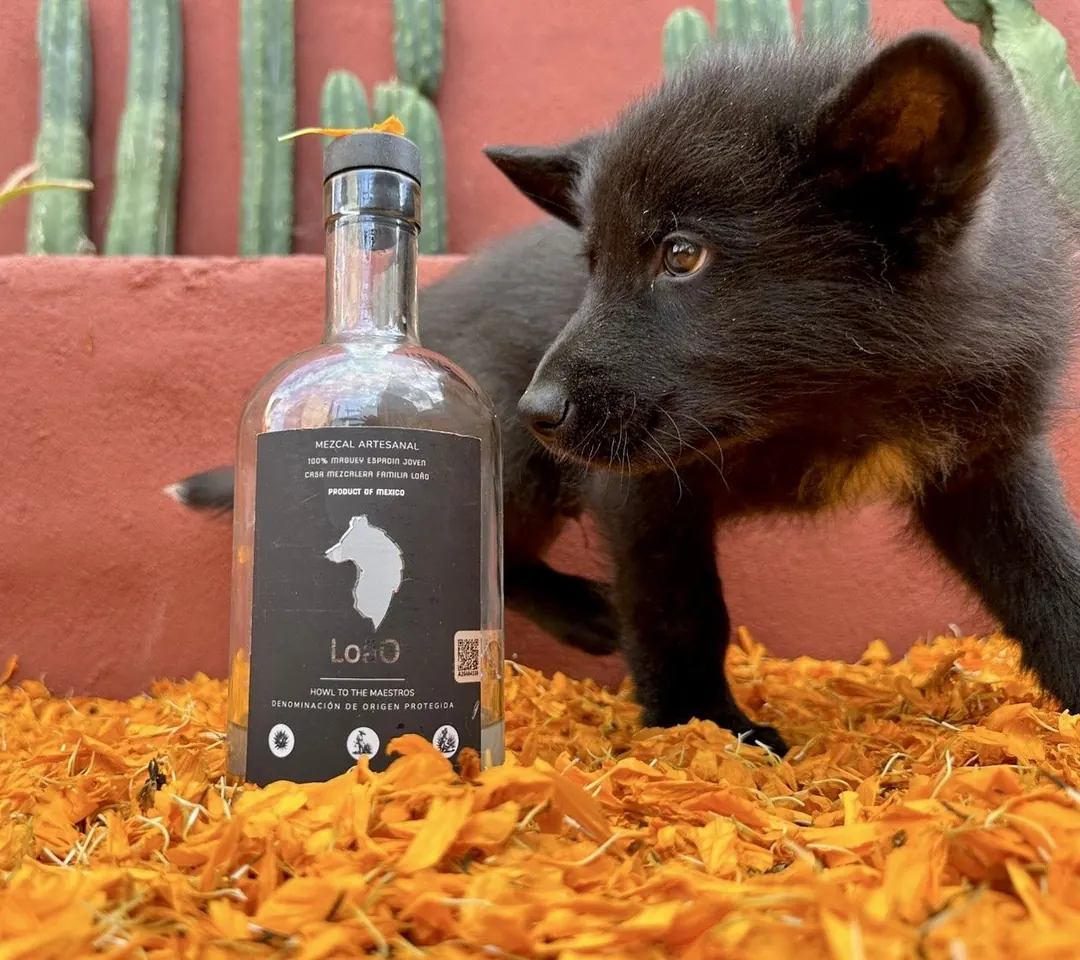
A wolf named Mezcal.
“I grew up surrounded by wild animals and a deep connection to nature. Among them, one left an indelible mark on me: a Mexican wolf named Mezcal. He was my companion for many years. By his side I learned about character, respect, silence, and observation, and that true strength is not in imposition, but in cohesion.”
Chef Diego
The pack philosophy
Everyone matters. No one advances alone.
In a pack, every individual fulfills a function. No one is expendable. The name LoäO comes from the Mixe alphabet: a word for the Mexican wolf, an endangered species as emblematic of Mexico as the jaguar or the quetzal.
The LoäO cycle: one pack
- 01
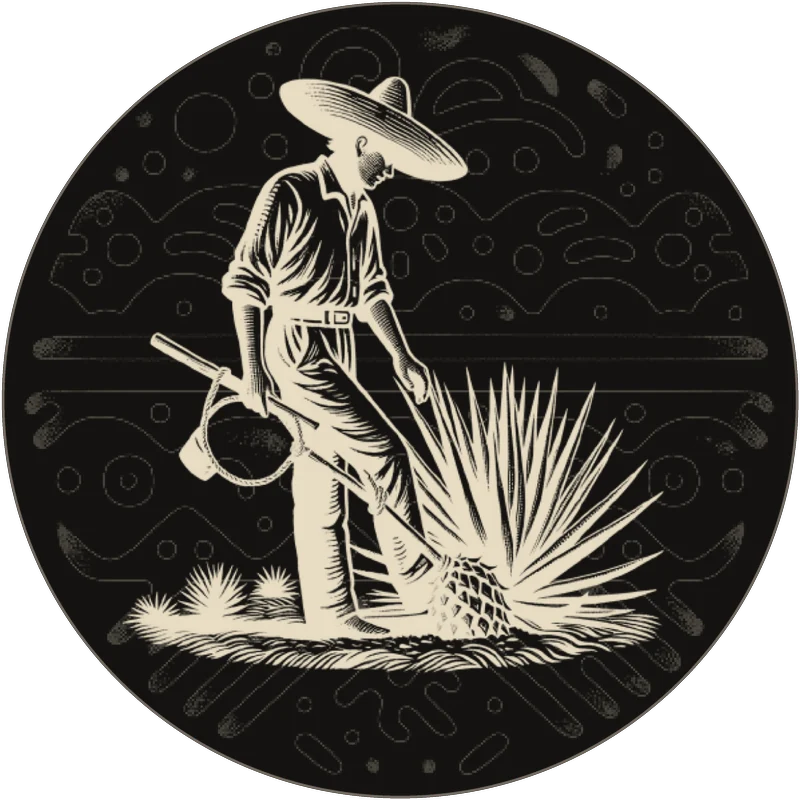
The producer
The master mezcaleros and their families in Oaxaca.
- 02
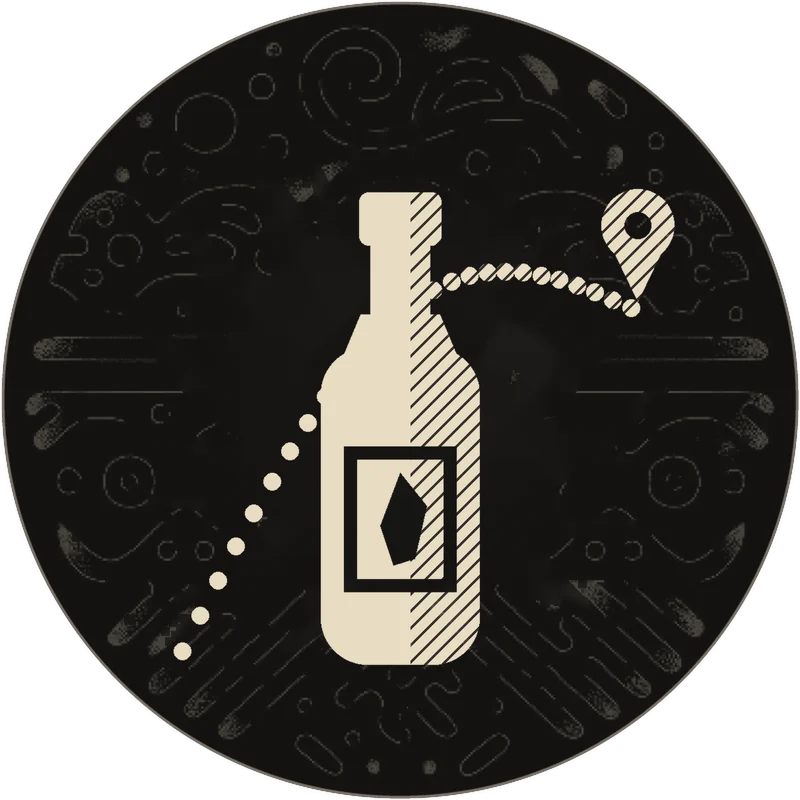
The distributor
Who carries it from Oaxaca to New York.
- 03
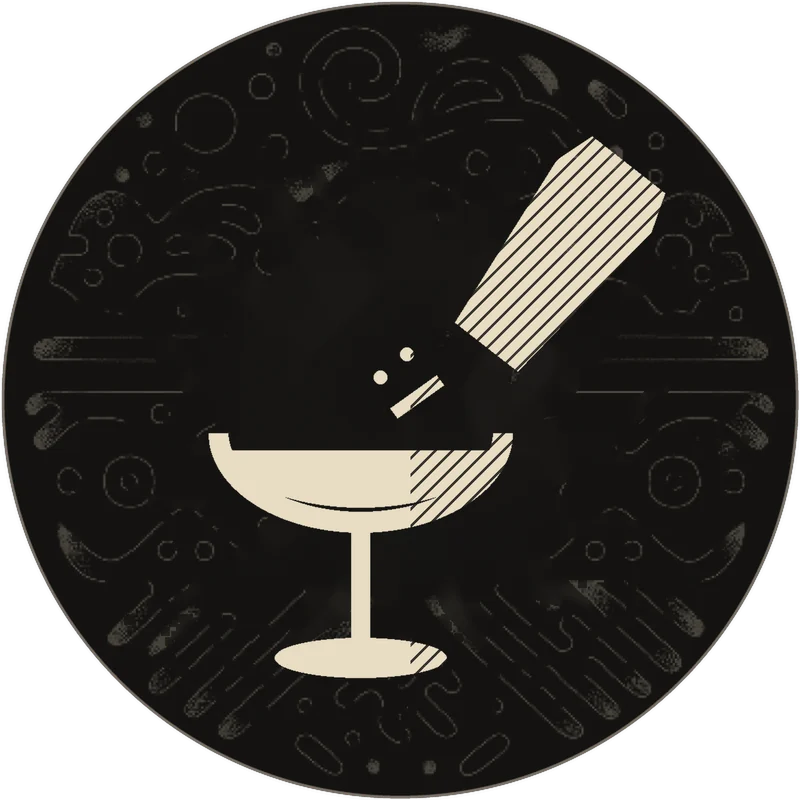
The bartender
Who gives it a voice in the glass.
- 04
The waiter
Who tells the story at the table.
- 05
The guest
Who completes the circle.
From agave to bottle
How LoäO mezcal is made
“Mezcal is not controlled... it is accompanied.”
A master mezcalero in Oaxaca
01
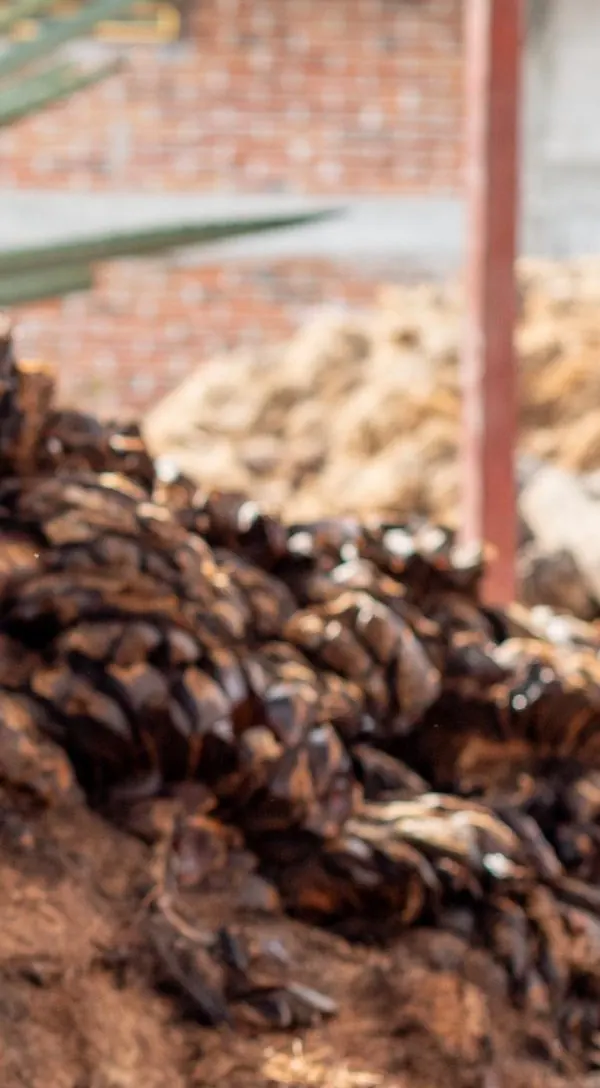
Harvest
After 7 to 12 years, the leaves are cut with a coa, leaving the heart: la piña.
02
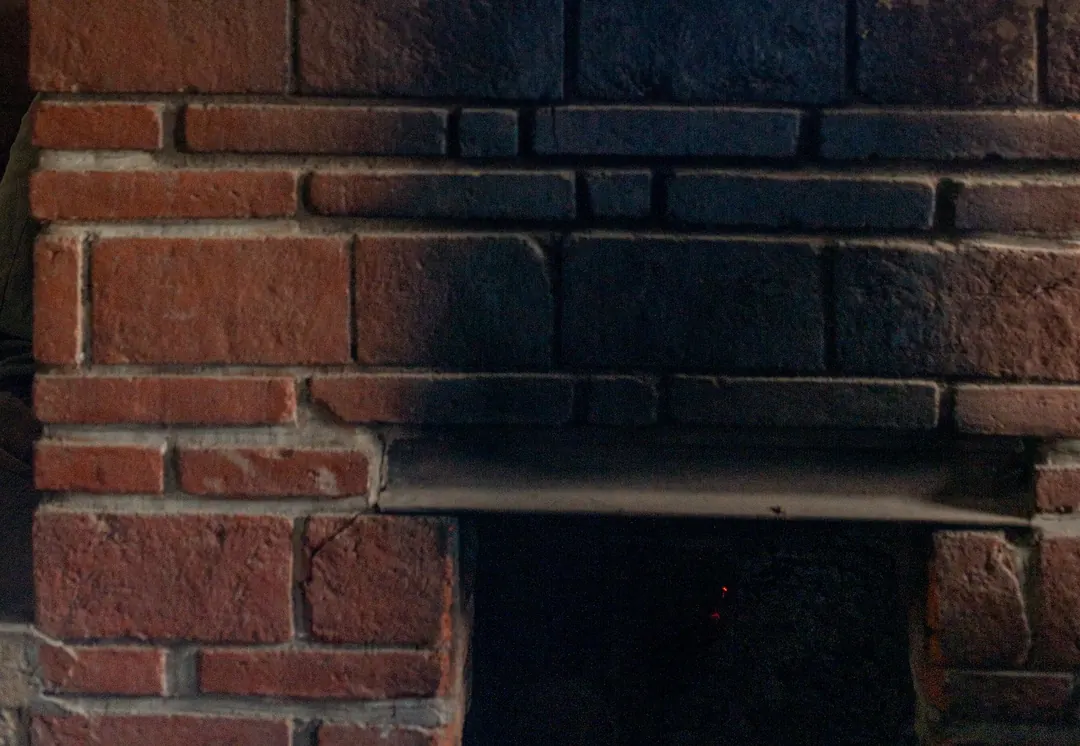
Roast
About three days in a conical earth oven with hot stones, absorbing earth, wood and smoke.
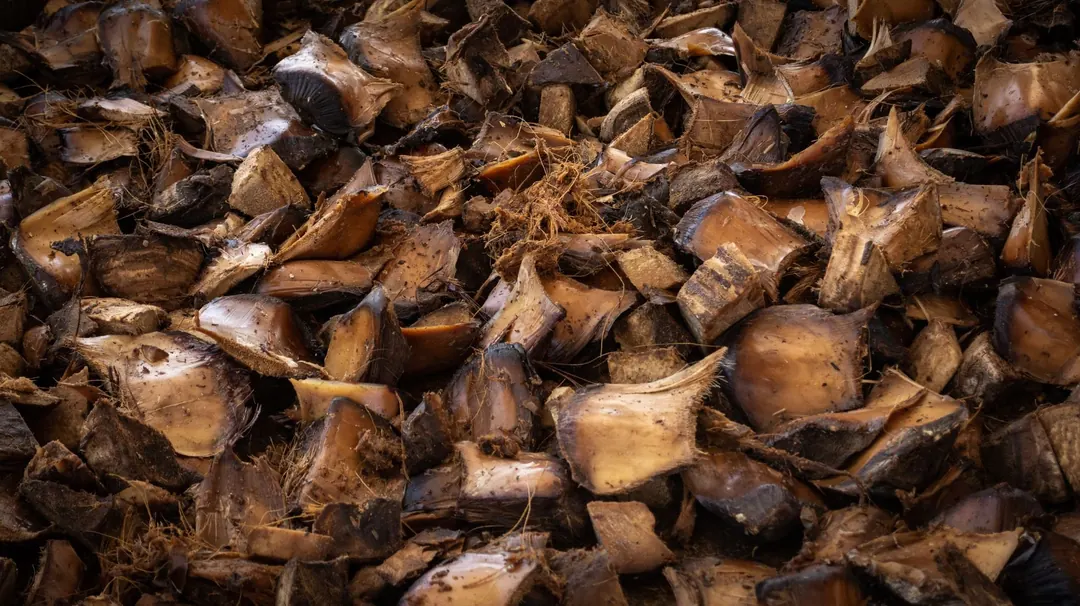
03
Mill
The cooked piñas are crushed under a tahona, a stone wheel pulled by a horse.
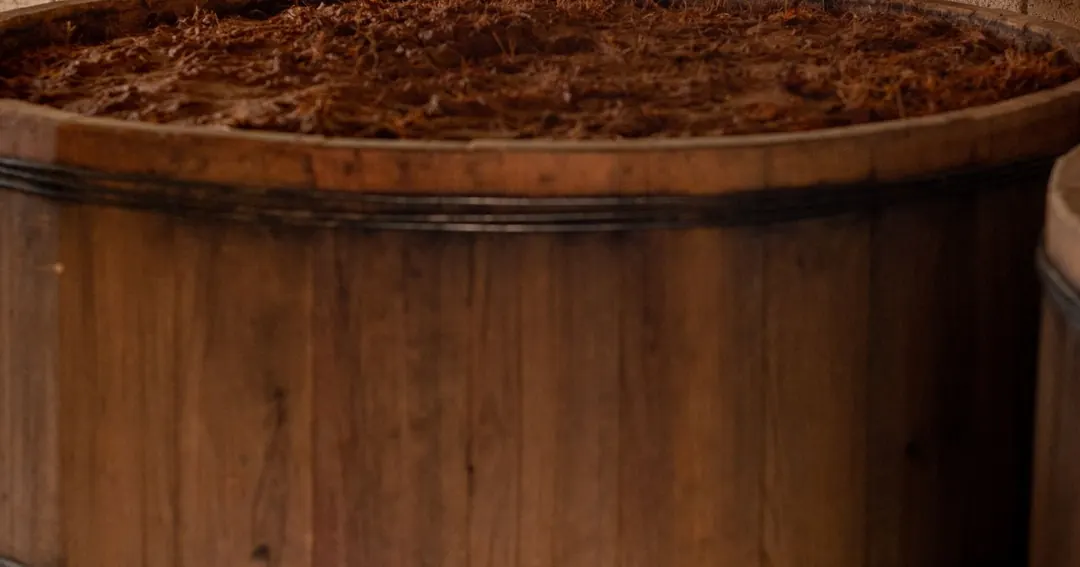
04
Ferment
In wooden vats for days, with its own yeasts: all natural, nothing forced.
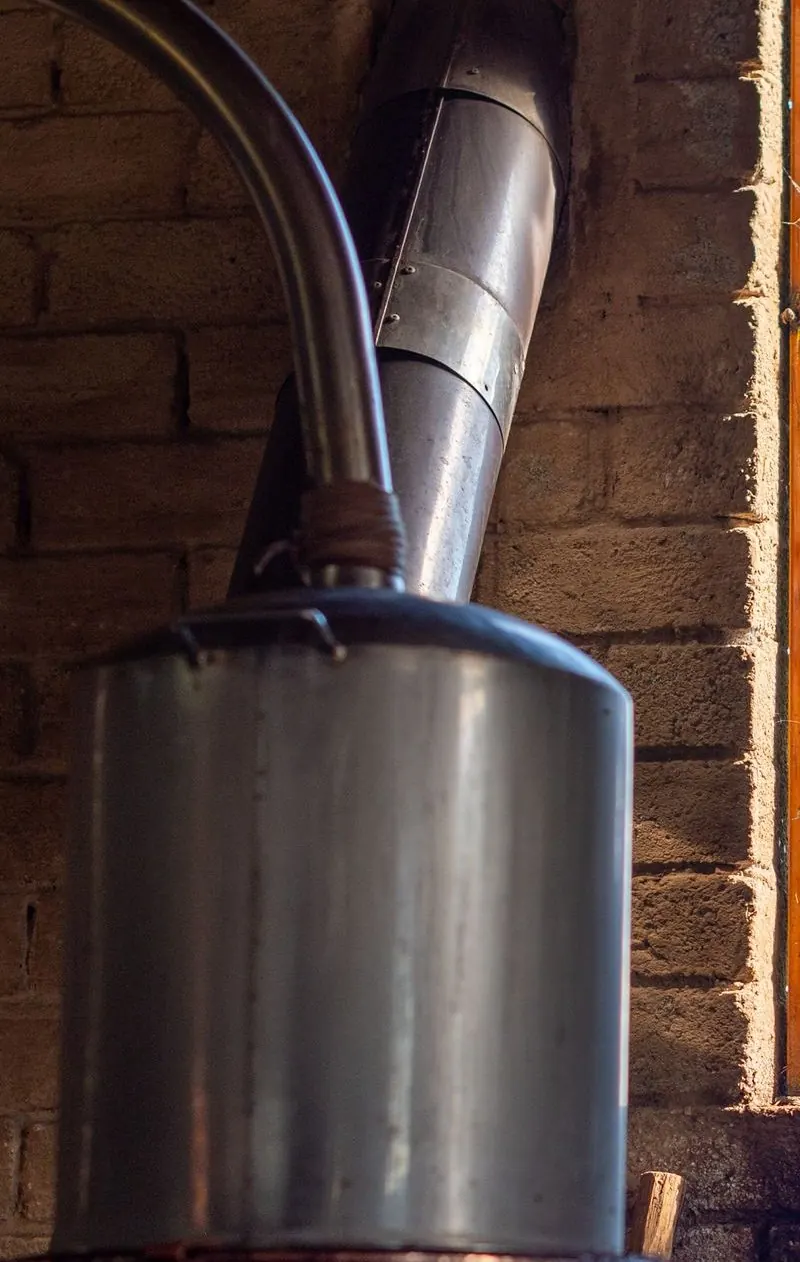
05
Distill
Twice: the first pass, el ordinario, then a second to find the right strength.